Ecommerce Store
A hiking-gear ecommerce storefront built to learn headless commerce with Astro, Sanity, and Snipcart.
Hyperlite is a storefront modeled closely on Hyperlite Mountain Gear, an ultralight backpacking brand. The content and products are a deliberate clone rather than an original brand. The goal wasn't to design a store from scratch, it was to learn how the pieces of a headless ecommerce stack fit together without also having to invent a catalog.

Astro renders the storefront as fast, mostly-static HTML. Product, category, and page content live in Sanity.io as structured content, so the catalog can change without touching code. Snipcart is layered on top for cart state and checkout, which meant working within a client-side commerce widget instead of writing custom cart logic. The site is built and hosted on Netlify.
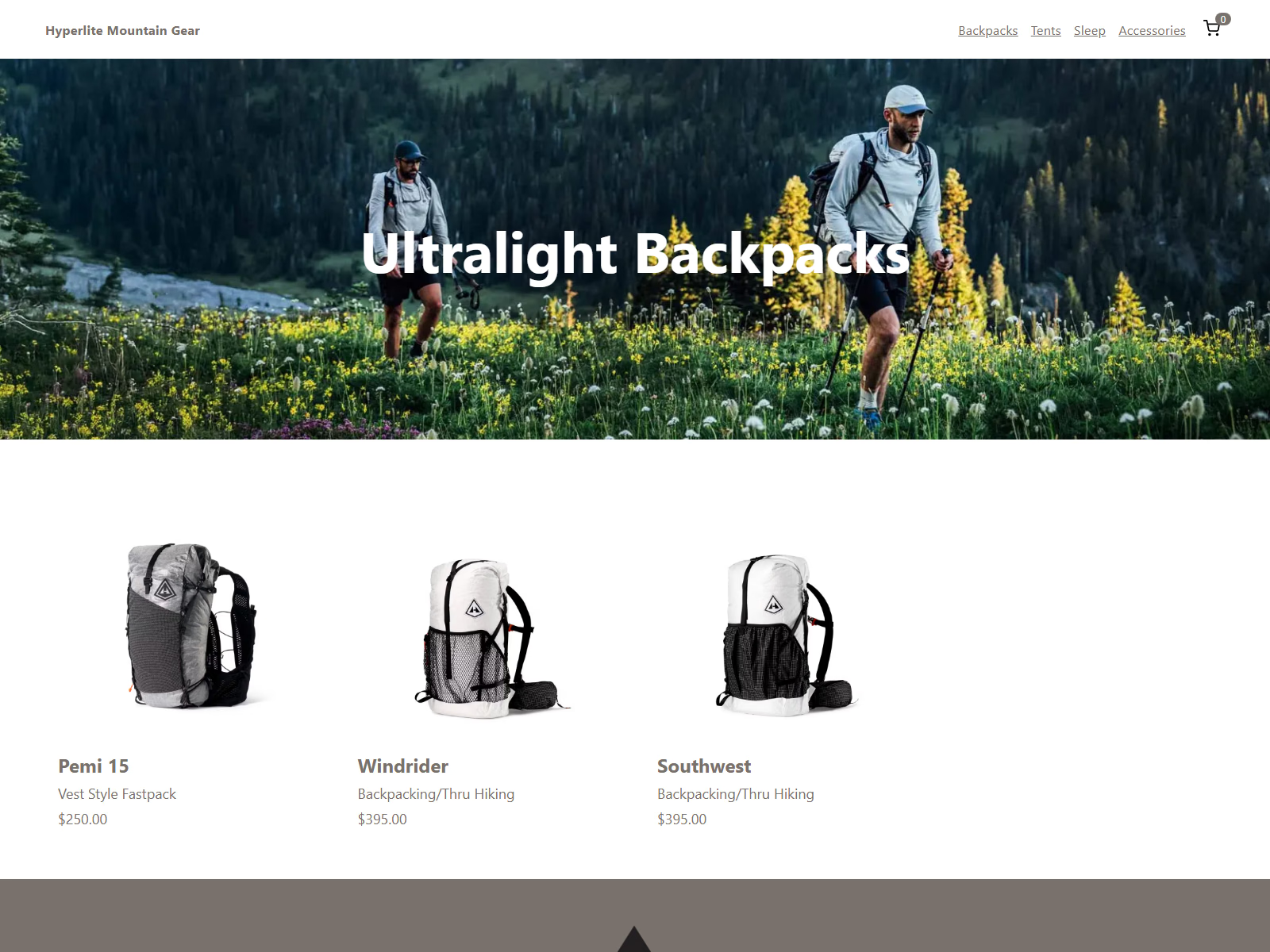
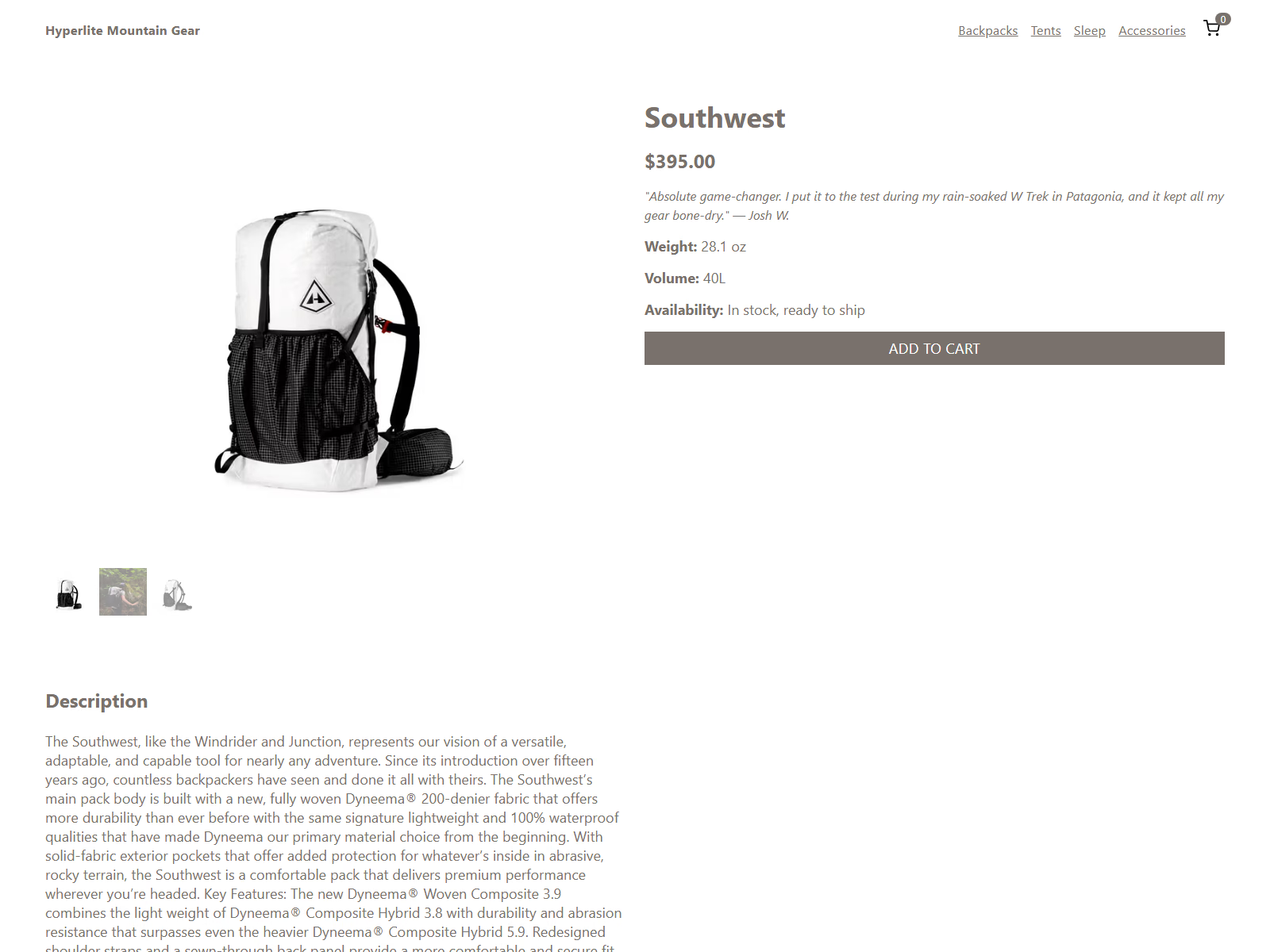
The build covers a product catalog split across categories (backpacks, tents, sleep, and accessories) and individual product pages with pricing and details pulled from Sanity.
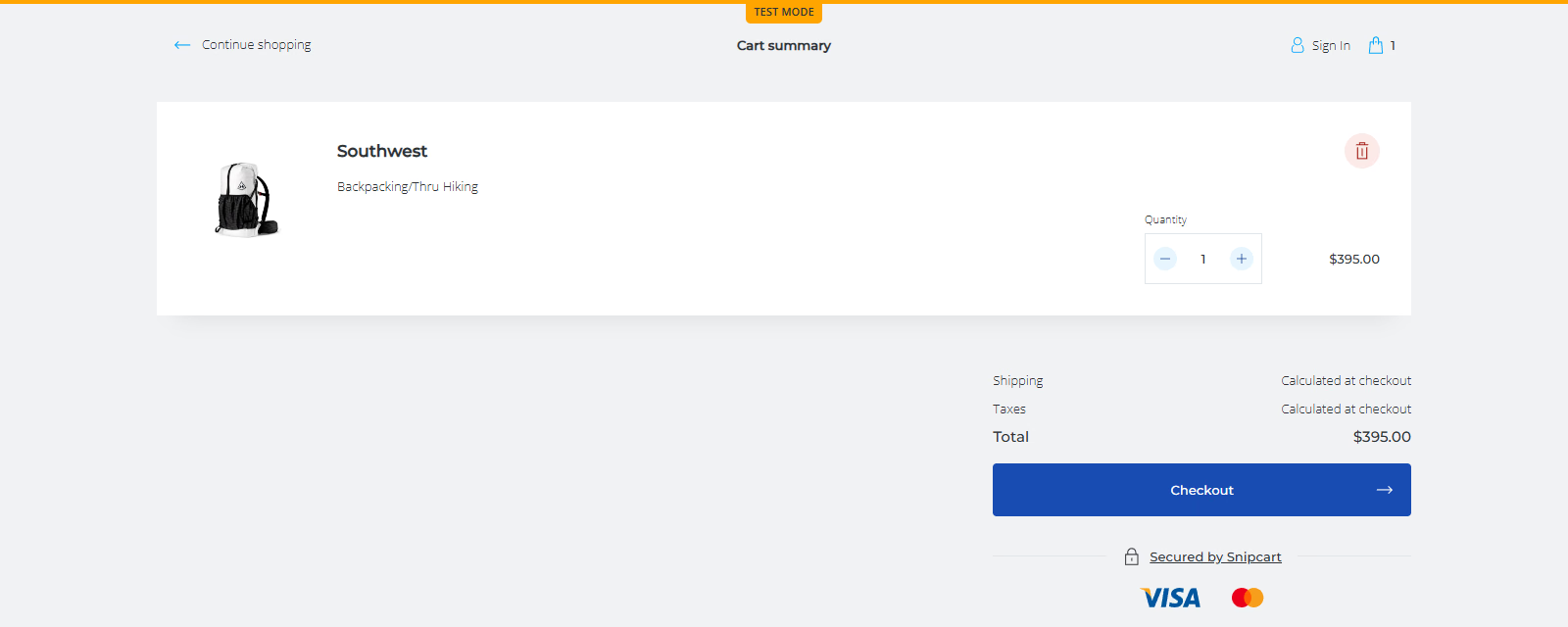
On top of that sits a working cart and checkout flow through Snipcart (Snipcart is kept in test mode since nothing is actually being sold, but payments will succeed with test card 4242424242424242. See docs for more).
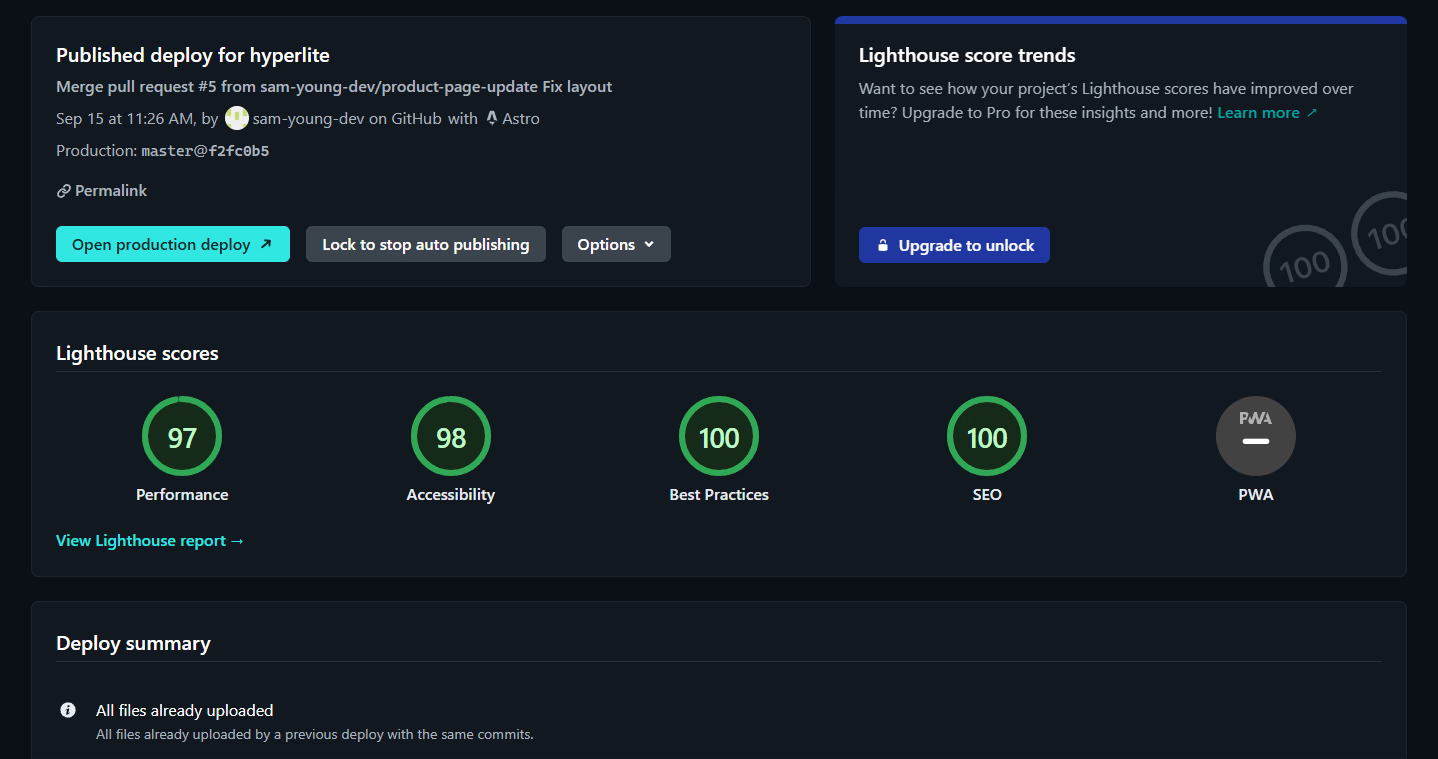
Every Netlify deploy preview runs a Lighthouse report and gives a build preview to check before merging into main, which turned performance into something to verify on every change rather than an afterthought. Chasing good Lighthouse scores across a client-side cart widget and image-heavy product pages was one of the bigger lessons of the project.
Product photography was the biggest single drag on those scores, so I swapped Astro's built-in image handling for @unpic/astro. It detects the CDN an image is served from and generates the right responsive srcset, sizes, and layout for it automatically, so product images pulled from Sanity's image CDN get properly optimized variants without hand-rolling breakpoints for every image on the site.
I also used the project as a chance to try Sugarcube for design tokens instead of hand-writing CSS variables. Colors, spacing, and type scale are defined once as tokens and Sugarcube generates the CSS variables and utility classes from them, so a change to a token (a brand color, a spacing step) propagates everywhere it's used instead of needing a find-and-replace across stylesheets. This matters more and more as a codebase grows in size and complexity. Category pages, product pages, and cart UI all need to look like the same brand, and tokens keep them from drifting apart as the site grows.
Overall, I learned a lot about how to set up a basic ecommerce store, some of the tradeoffs that need to be made based on the site goals, and more about performance updates across the board. My time was definitely well spent on this project.